

BoGuan LLM and 5G-A boosts digital cultural tourism in Xi’an
- Details
- Category: Consumer Ecosystems
- 16145 views
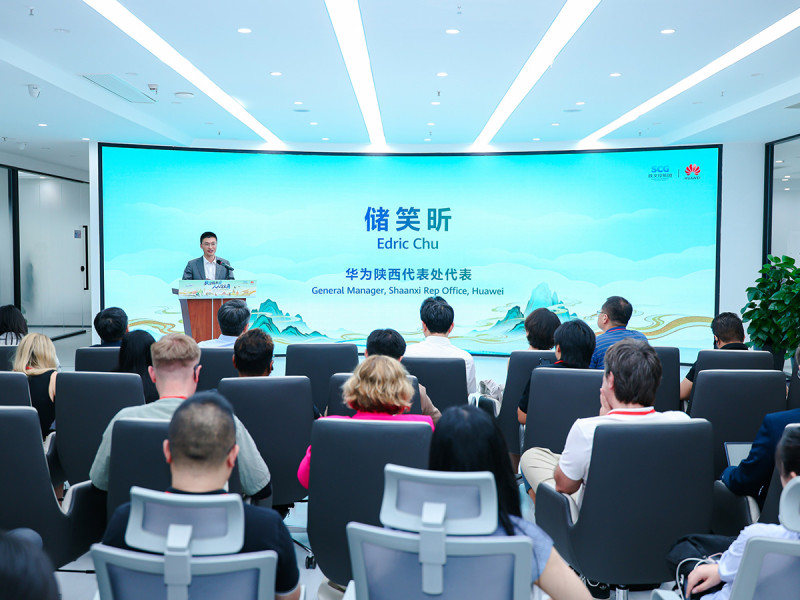
Less than a year after its commercial launch, the BoGuan multimodal large language model (LLM) designed for cultural tourism in China has entered broad application in Xi’an, and is generating real revenues and value for the tourism industry.
As one of the oldest cities in China with a rich cultural heritage, Xi'an is one of the most popular international tourist destinations in China. The city has increasingly turned to digital technologies to enable visitors and scholars to access cultural relics and better engage with the region's rich history whilst also preserving its history.
Shaanxi Culture Industry Investment Group (SCG) has been working with partners like Huawei, China Telecom Shaanxi, and China West Airport Group (CWAG) to promote digital and intelligent cultural tourism by leveraging advanced technologies like AI and 5G-A to create numerous new services for visitors.
On the AI side of that initiative, SCG and Huawei unveiled the BoGuan LLM in September 2025, billing it as the world's first commercial multimodal LLM for cultural tourism, as well as China's first model dedicated specifically to preserve cultural heritage.
Inside BoGuan
The BoGuan LLM is built on intelligent computing infrastructure and a high-quality dataset that includes over 1.2 PB of data – including 31 million images, 4.4 million minutes of video footage, 2.18 million minutes of audio recordings, 510 3D models, and 960 million pieces of structured text.
With that dataset, BoGuan can generate highly-accurate multimodal content, such as museum-quality content about cultural relics. This capability enables it to support creation of new digital relic presentations, digitalization and preservation of traditional craftsmanship, and creation of digital IP for intangible cultural heritage.
BoGuan has also been used to develop a range of cultural tourism apps that unlock the business value of quality cultural tourism data.
For example, BoGuan powers an AI travel companion agent that had been made available to over 4 million users as of March 2026. Visitors can directly talk with this agent on the GO-SHAANXI app to create and adjust their travel itineraries in Xi’an, and get real-time recommendations for performances at various attractions.
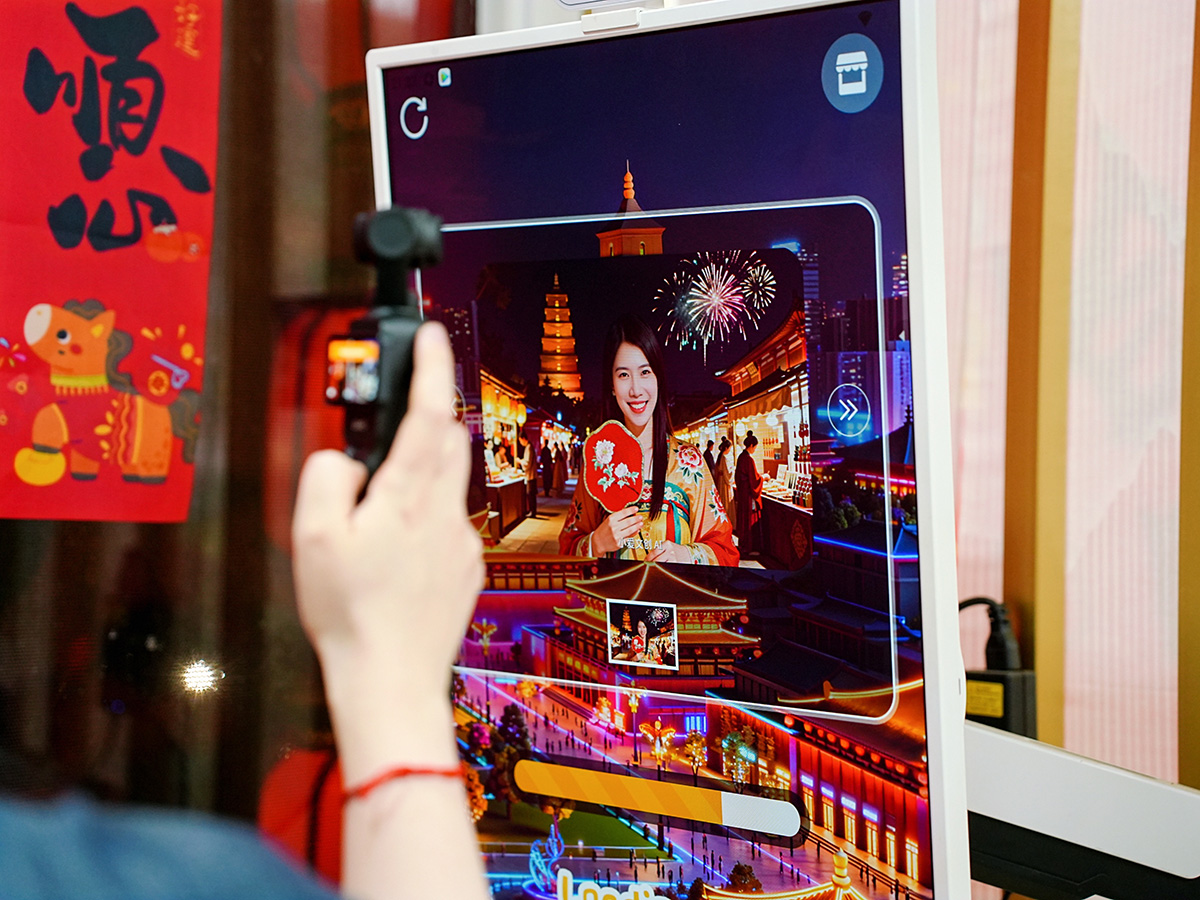
Another app created using BoGuan is the Zhiying Camera mini programme – an AI-powered photography service that instantly integrates user photos with AI-generated scenes from history, allowing visitors to "time travel” to ancient times.
The BoGuan LLM has also been used to create digital IP such as the popular cartoon character Tang Biaobiao, which was designed by integrating local cultural heritage elements with the stone carvings of the Six Steeds of Zhao Mausoleum. As a testament of Tang Biaobiao’s popularity, sales of related digital collectibles and creative products have exceeded CNY2 million (almost US$295,000).
Meanwhile, SCG is also using BoGuan to integrate short drama production with cultural tourism and improve production efficiency and quality in Xi'an, which is also arenowned short drama hub.
“Artificial intelligence is not simply a stack of technologies,” said Edric Chu, General Manager of Huawei's Shaanxi Rep Office. “It has become a key enabler that can activate thousands of years of cultural heritage, reshape travel experiences, and inject new momentum into the industry.”
Powered by 5G-A
All of these BoGuan-powered digital tourism apps for Xi’an are backed by a 5G-A network deployed by China Telecom Shaanxi and Huawei – particularly in Xi'an's Grand Tang Mall, a ang-style pedestrian street located at the foot of the iconic Giant Wild Goose Pagoda, and one of the most popular tourist attractions in China.
The 5G-A network is based on three component carrier (3CC) aggregation technology, delivering peak uplink and downlink rates of 600 Mbps and 3.5 Gbps, respectively – about 10 times faster than regular 5G networks.
As an example of the network’s performance capabilities, during the 2026 May Day “golden week” holiday, the network in the Grand Tang Mall supported concurrent access for 23,000 users, guaranteeing smooth video watching and social media experiences.
This is especially important given that HD live streaming at the Grand Tang Mall has become an important way for the attraction to bring in new visitors, which 5G-A is more than capable of supporting. According to public data, the average user dwell time of these live streams has nearly doubled, while the average transaction value has increased by 62%.
Edric Chu added, “Moving forward, Huawei will continue working with our partners to enhance cultural heritage preservation with digital and intelligent technologies, and stimulate development within the cultural tourism industry.”

More Articles you may be Interested in...








Huawei to support Equatorial Guinea’s comms upgrade

Huawei and rain claim sub-1GHz breakthrough






Wuhan Smart Megacity: Transforming Urban Governance


