ADB reveals US$70b plan to connect Asian power grids and digital networks
- Details
- Category: Energy & Sustainability
- 11554 views
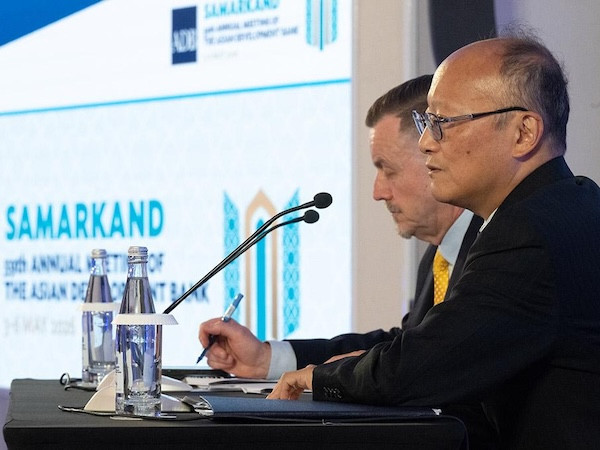
The Asian Development Bank (ADB) announced on Sunday it will back two new initiatives priced at US$70 billion total to connect power grids, expand cross-border electricity trade and improve broadband access across Asia and the Pacific.
The Pan-Asia Power Grid Initiative aims to connect national and subregional power systems so that renewable energy can flow across borders, while the Asia-Pacific Digital Highway promises to help close the digital infrastructure gap and enable the region to benefit from AI-driven growth.
The lion’s share of that investment will go towards the Pan-Asia Power Grid Initiative, although digital infrastructure projects – particularly data centres – also stand to benefit from better access to interconnected renewable energy.
For the Power Grid Initiative, the ADB said it will work with governments, utilities, the private sector and development partners to mobilise US$50 billion by 2035 for cross-border power infrastructure that can unlock renewable energy at scale.
The initiative will focus on transmission and grid integration, including cross-border lines, substations, storage, and grid digitalization. It will also support power generation linked to electricity trade, including renewable energy export projects, regional renewable hubs, and hybrid generation-storage facilities.
The ADB aims to integrate about 20GW of renewable energy across borders, connect 22,000 circuit-km of transmission lines, improve energy access for 200 million people, create 840,000 jobs, and cut regional power sector emissions by 15% – all by 2035.
The ADB said it plans to finance about half of the US$50 billion from its own resources and raise the rest through cofinancing, including from the private sector. Up to US$10 million in technical assistance will support efforts to align regulations, adopt common technical standards, prepare feasibility studies and advance other work needed for major projects.
The ADB said the Power Grid Initiative builds on existing subregional cooperation initiatives, including the South Asia Subregional Economic Cooperation program, the Bay of Bengal Initiative for Multi-Sectoral Technical and Economic Cooperation grid interconnection planning, the ASEAN Power Grid, and the Central Asia Regional Economic Cooperation Energy Strategy 2030.
US$20b for digital infrastructure
Meanwhile, the ADB’s Asia-Pacific Digital Highway Initiative will mobilise US$20 billion by 2035 to finance digital corridors, data infrastructure, and AI-ready economies.
Investments will focus on connected infrastructure, including terrestrial and subsea fibre networks, satellite links and regional data centres. The ADB said it will also provide policy and regulatory support, including on cybersecurity risk management, and invest in skills programs to strengthen digital and AI readiness.
By 2035, the initiative aims to provide first-time broadband access to 200 million people and faster, more reliable digital connectivity for another 450 million people across the region. It is projected to cut connectivity costs in remote and landlocked areas by about 40% and help create 4 million jobs.
The ADB expects to finance US$15 billion of the initiative from its own resources and raise US$5 billion through cofinancing, including from the private sector.
The initiative also calls for the establishment of a Centre for AI Innovation and Development in Seoul, which will be backed by a US$20 million contribution from the South Korean government. The ADB said the centre will promote responsible and inclusive AI adoption and help train about 3 million people in digital and AI-related skills by 2035.
“Energy and digital access will define the region’s future,” said ADB president Masato Kanda in a statement. “These two initiatives build the systems Asia and the Pacific need to grow, compete, and connect. By linking power grids and digital networks across borders, we can lower costs, expand opportunity, and bring reliable power and digital access to hundreds of millions of people.”
Both initiatives were revealed at the ADB’s annual meeting in Samarkand, Uzbekistan on Sunday.

More Articles you may be Interested in...


China approves Geespace satellite IoT trial plans

ISRO changes tack on launch vehicle manufacture













TDRA extends licences of e& and du for 20 years