Paratus and Powertel light up first phase of Zimbabwe fibre backbone
- Details
- Category: Optical & Fixed Networks
- 740 views
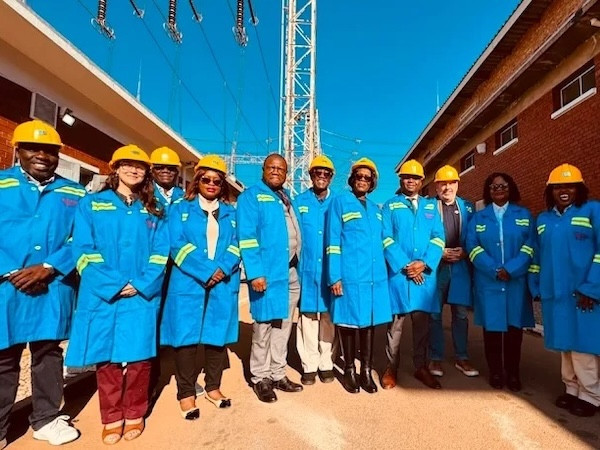
Paratus Zimbabwe and Powertel Communications, the ICT arm of Zimbabwe Electricity Supply Authority (ZESA), announced on Friday that the first phase of their national fibre backbone project is now live and carrying traffic.
The live section between Plumtree and Bulawayo is operating at an initial capacity of 800 Gbps, although Paratus said the network’s DWDM technology can scale up to deliver capacities of more than 10 Tbps as connectivity requirements grow.
Paratus Zimbabwe said the second phase, connecting Bulawayo and Livingstone, is due to be lit up in September 2026.
The new route is the first major milestone of a public-private partnership (PPP) agreement signed by Powertel and Paratus Zimbabwe in June 2025 to jointly invest in and develop high-capacity long-distance fibre infrastructure across Zimbabwe. The partnership leverages Powertel’s national fibre backbone and Paratus’ continental network reach, technical expertise and experience.
The project is also part of a bigger plan to build a new high-capacity digital corridor connecting Zimbabwe to Botswana, Zambia, South Africa and the wider Paratus network across Southern Africa, said Paratus Group chief commercial officer Martin Cox.
“This is about far more than fibre infrastructure. It is about building the digital foundations that enable economic growth, regional integration and improved access to world-class connectivity,” Cox said in a statement. “By integrating Zimbabwe into the Paratus network … we are extending the reach of our contiguous network from South Africa through Botswana and Zimbabwe into Zambia, creating resilient connectivity for businesses, service providers and communities across the region.”
Powertel Communications MD Willard Nyagwande added that its IRU with Paratus gives it financial backing from an experienced partner whilst maintaining operational control of its fibre assets.
“This IRU converts a national infrastructure ambition into a bankable, investable, replicable commercial reality. It aligns the incentives of both parties over the full economic life of the asset,” he said in a statement. “It is the structure that has made the Plumtree–Victoria Falls corridor financeable today, and it is the same structure that will carry the Bulawayo-Livingstone, and the wider Botswana-Zimbabwe-Zambia digital spine tomorrow.”
More Articles you may be Interested in...


QoS in Chad: Airtel under pressure – again





Payment platform for farmers launched in Malawi


Seacom launches new terrestrial route in East Africa



NTT Data expands Salesforce offering in Kenya