Nigeria’s Project BRIDGE enters a new phase
Aug 10, 2026


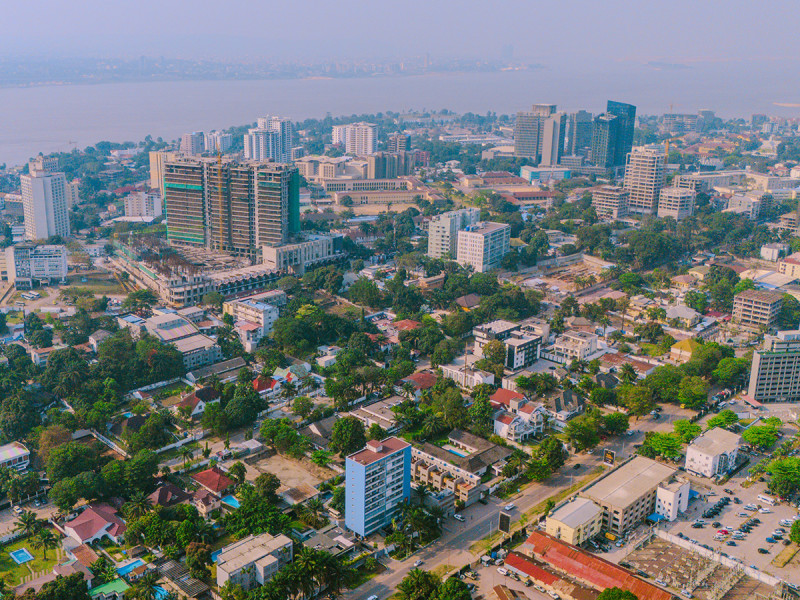
The Democratic Republic of Congo's Universal Service Development Fund (FDSU) has outlined a 10-year strategy to expand connectivity in underserved areas, built around a collaborative infrastructure model bringing together TowerCos, mobile operators, government and the telecom regulator.
The National Connectivity Strategy 2026-2035 aims to progressively reduce the country's coverage gaps through shared infrastructure, private-sector investment and targeted public subsidies, rather than relying solely on government funding.
The first step is already under way, with the FDSU signing subsidy agreements with Airtel, Orange, Vodacom and Africell to extend their networks to 40 underserved localities. Each operator will cover 10 localities, with the initial deployments expected to bring mobile, internet and messaging services to around 258,000 people, according to Ecofin Agency.
The programme is part of a wider TowerCo-led model outlined by the FDSU. Under the strategy, TowerCos will finance and deploy passive infrastructure such as towers, power and backhaul on an open-access basis, while MNOs will provide active equipment and services. The telecom regulator, ARPTC, will oversee regulation and quality of service, with the FDSU responsible for structuring subsidies and monitoring performance.
The strategy divides the country into five operational zones and introduces an equalisation mechanism under which commercially viable sites can partially offset the cost of serving less profitable areas. Subsidies will be allocated to TowerCo-MNO consortiums in each zone.
The initial 40-locality programme is intended to scale significantly. The FDSU plans to expand the scheme to 300 sites or localities, potentially reaching around 1.8 million people currently without adequate service.
By 2030, the target rises to 3,000 localities covering around 16 million people, alongside the deployment of 100 community digital centres, Ecofin reported.
The scale of the challenge was highlighted by an FDSU assessment published shortly before the agreements were announced. It found that almost 3,000 localities, representing around 4.3 million people, still lacked mobile coverage. Nationwide coverage stood at 77% for 2G, 68% for 3G and 57% for 4G as of September 2025.
The strategy will also incorporate community digital centres to provide digital skills training and access to services, with deployment planned across three phases through 2035.
The FDSU said the approach is intended to create economically sustainable national coverage while supporting the DRC's wider digital transformation and digital sovereignty objectives. Further consultations with public and private stakeholders are planned as the strategy is refined.







Company registered in England, number 5724661
All content copyright © 2005-2026 Developing Telecoms Ltd. All rights reserved.