Bangladesh’s first private subsea cable faces fresh delays from govt
- Details
- Category: Regulation
- 1613 views
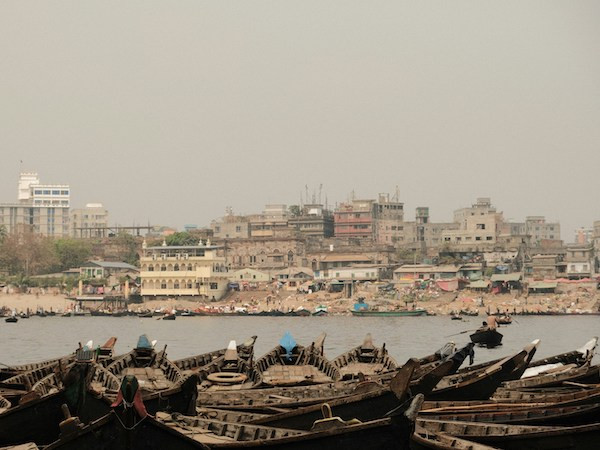
The Bangladesh government’s Posts and Telecommunications Division has reportedly blocked the deployment of two subsea cable vessels into Bangladesh's territorial waters to install the privately-owned Bangladesh Private Cable System (BPCS).
According to a report in The Business Standard on Monday, citing a letter from the division's deputy secretary Kaniz Fatema, CdNet Communications – a shareholder in the BPCS consortium – asked National Security Intelligence for permission to allow the cable ships into Bangladesh waters to deploy the cable system.
However, Fatema told authorities to hold off on issue a no-objection certificate or other clearance for BPCS until the division issues a formal recommendation for the project, the report said.
The division letter sent to CdNet cited concerns around license conditions, national security, and the protection of government and shareholder investment in state-backed Bangladesh Submarine Cables PLC (BSCPLC), which operates all other international subsea cables linking to the country.
While the BPCS consortium announced plans in September 2024 to deploy a private sea cable connecting Cox’s Bazar to the Campana-owned UMO subsea cable that runs from Myanmar to Singapore, and contracted Nokia to supply submarine line terminal equipment for the project in December 2025, the Posts and Telecommunications Division has yet to officially decide whether it will allow a private subsea cable to connect Bangladesh at all.
The BPCS consortium – which along with CdNet also includes Summit Communications and Metacore Subcom, all of whom received licences from the Bangladesh Telecom Regulatory Commission (BTRC) in September 2022 – has invested about US$53 million in prep work for the project so far, the report said.
The BPCS project has been wrestling with similar delays, having sought approval from various government agencies for the subsea cable ships in March this year, but found its application held up by the Ministry of Home Affairs and the Ministry of Environment, which must also approve the project. Those ministries said they can’t approve the project until the Posts and Telecommunications Division does, according to a separate Business Standard report at the time.
The Posts and Telecommunications Division has also claimed it’s never received a request from the BPCS consortium to go ahead with the project, even though the consortium wrote to the division in September 2025, while the BTRC also copied the division on correspondence to all relevant ministries in December 2024, the report said.
Bangladesh has only two international subsea cable connections via SEA-ME-WE-4 and SEA-ME-WE 5, the latter of which has experienced outage problems between Singapore and Kuakata over the last couple of years, starting in 2024 and as recently as last month, disrupting internet services each time, and underscoring the need for Bangladesh to install more international capacity.
BSCPLC – which is a stakeholder in both subsea cables – is also a member of the SEA-ME-WE 6 cable consortium, but that system’s ready-for-service date has been pushed back to 2027.

More Articles you may be Interested in...






Maintenance agreement signed for Syria-Cyprus cable






Telin and BW Digital land NCC subsea cable in Batam